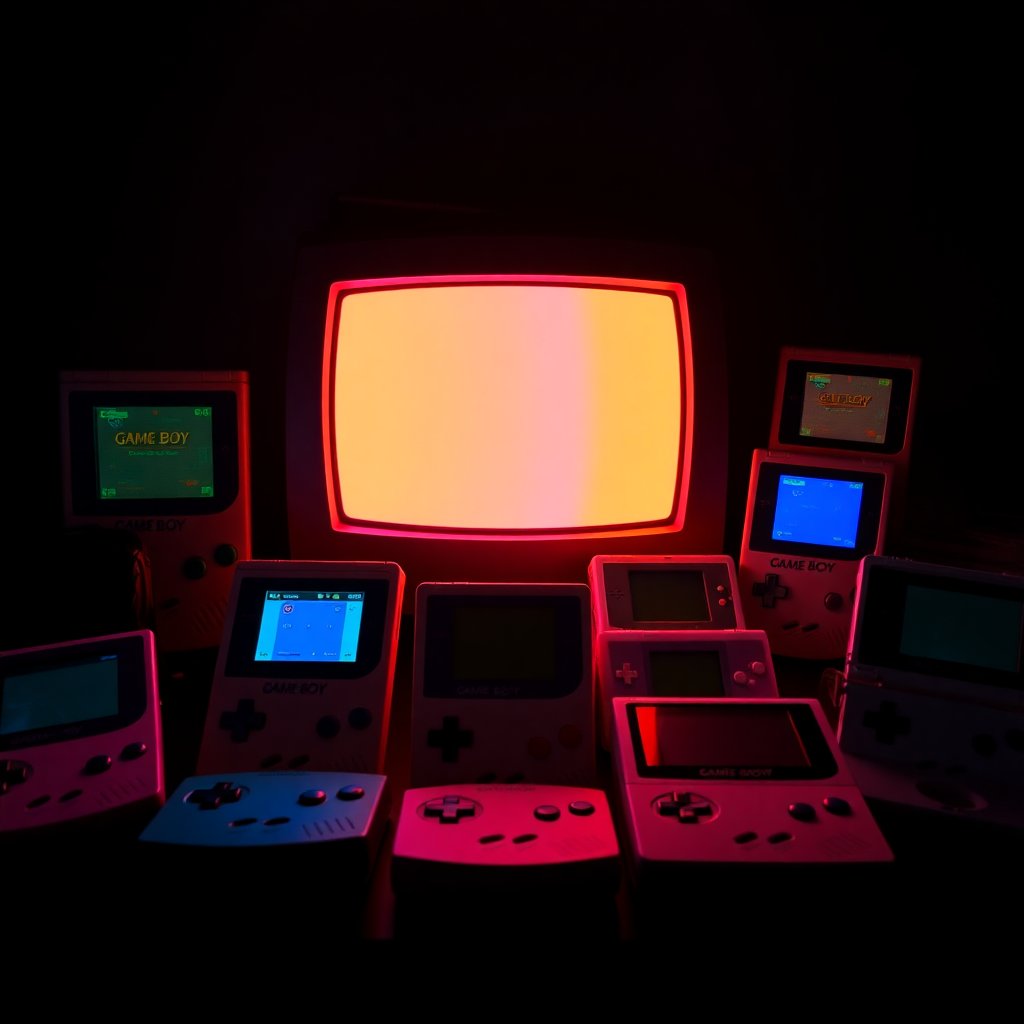
Retro gaming handhelds have hit a turning point. What used to mean a janky clone with bad buttons now means a polished device that runs SNES, GBA, N64, and even PS2 smoothly — for under $100.
The market moved fast. Here's where it stands in 2026 and what to buy depending on how deep you want to go.
How to Pick the Right Handheld
Two questions narrow it down:
What systems do you want to play? If it's just Game Boy through GBA, almost any cheap handheld works. If you want N64, Dreamcast, or PSP, you need more power. PS2 and GameCube require the top tier.
What form factor do you want? Horizontal (like a Game Boy) feels natural for older games. Vertical (like a PSP) works better for games designed for that layout. Some people love the clamshell (DS-style). There's no wrong answer here — pick what you'll actually carry.
What's your budget? There's a meaningful quality jump at each price tier. You don't need to buy the most powerful device if you're only playing SNES and GBA games.
The Best Retro Gaming Handhelds in 2026
1. Anbernic RG35XX H — Best Under $60
Price: ~$50–60
→ Check Anbernic RG35XX H on Amazon
The RG35XX H is the benchmark budget handheld. Horizontal layout, solid build quality, a 3.5" IPS screen, and enough power to run everything up through GBA, SNES, and Genesis flawlessly. N64 is hit or miss depending on the game — simpler titles run fine; complex games stutter.
The button feel is genuinely good for the price — tactile d-pad, proper analog-size face buttons. Runs GarlicOS or MinUI for a clean interface. Battery life is solid at 5–6 hours.
Best for: Casual retro players who want Game Boy through SNES in a reliable, affordable package.
What it doesn't do well: N64 3D games, PSP, anything from the PlayStation era.
2. Miyoo Mini Plus — Best Compact Option
Price: ~$60–75
→ Check Miyoo Mini Plus on Amazon
The Miyoo Mini+ has a cult following for good reason. Pocketable size, excellent IPS screen, comfortable grip for its size, and runs OnionOS which is one of the cleanest retro handheld interfaces available. The community behind it is active — new firmware features and game database updates drop regularly.
Power is similar to the RG35XX — excellent for 8/16-bit, limited for 3D systems. The smaller size makes it the best choice for a "always in my pocket" handheld that actually goes everywhere.
Best for: Anyone who wants something truly pocketable for classic 2D games. The Game Boy of modern retro handhelds.
What it doesn't do well: Same limitations as the RG35XX — no serious 3D system support.
3. Anbernic RG353M — Best Mid-Range
Price: ~$100–120
→ Check Anbernic RG353M on Amazon
The RG353M steps up to a dual-boot Android/Linux system with a more powerful chip that handles N64, Dreamcast, and PSP well. Metal shell (the "M" is for metal) gives it a premium feel that plastic handhelds can't match — it feels like a product, not a prototype.
Dual analog sticks, L2/R2 triggers, and a 3.5" 640x480 IPS display. The form factor is a horizontal design similar to a Game Boy Advance SP. This is the device that makes N64 collecting on-the-go feel viable — most titles run at full speed with correct audio.
Best for: Players who want smooth N64/Dreamcast/PSP alongside the 8/16-bit classics. The mid-range sweet spot.
What it doesn't do well: PS2 and GameCube are mostly unplayable — you'll need to step up for those.
4. Retroid Pocket 4 Pro — Best Mid-High Power
Price: ~$150–180
→ Check Retroid Pocket 4 Pro on Amazon
The RP4 Pro runs Android and handles PS2, GameCube (most games), and Wii — a significant jump from the mid-range options. Large 4.7" OLED screen, full analog sticks, and solid build quality. The OLED display makes a real visible difference for games with dark scenes and lots of contrast.
Android gives you access to RetroArch, Dolphin, AetherSX2, and the Play Store. It's basically a proper Android gaming device that happens to be purpose-built for emulation. Setup takes some initial time, but the community documentation is excellent.
Best for: Players who want PS2/GameCube capability without going full Odin. The best value-to-performance ratio in this tier.
What it doesn't do well: Switch emulation is inconsistent — some games run okay, many don't.
5. AYN Odin 2 — Best High-End Powerhouse
Price: ~$280–350
The Odin 2 is the current king of handheld emulation. Snapdragon 8 Gen 2, runs Switch games via Yuzu/Ryujinx at playable framerates, handles everything below that effortlessly. The build quality rivals a Nintendo Switch — the device is substantial, premium, and clearly built to last.
This is a serious device for serious retro collectors who want everything in one package — including modern Switch emulation where available. The display is a 6" 1080p AMOLED panel. Battery life is 4–6 hours at full power.
Best for: Collectors who want a single device that plays everything through Switch, with premium build quality and nothing left on the table.
Comparison Table
| Handheld | Price | Systems Handled | Form Factor | Best For | |----------|-------|----------------|------------|----------| | Anbernic RG35XX H | $50–60 | Up to GBA/SNES | Horizontal | Budget classic gaming | | Miyoo Mini Plus | $60–75 | Up to GBA/SNES | Compact horizontal | Pocketable 2D focus | | Anbernic RG353M | $100–120 | Up to PSP/Dreamcast | Horizontal | Mid-range, metal build | | Retroid Pocket 4 Pro | $150–180 | Up to PS2/GameCube | Vertical Android | Best value power | | AYN Odin 2 | $280–350 | Up to Switch | Vertical Android | Everything, premium |
What About the Original Hardware?
Nothing plays a Game Boy game like a Game Boy. There's still a strong case for original hardware — the feel, the authenticity, the cartridge ritual.
→ Shop original Game Boy Advance SP on Amazon
But for collection convenience and portability across dozens of systems, a good handheld emulator is hard to beat. Most serious retro collectors own both — the original hardware for the authentic experience and a modern handheld for access to their full library anywhere.
Original hardware also holds its value better as a collectible, which matters if you're building a collection with an eye toward preservation.
Buying Tips for Retro Handhelds
Check firmware and community support. A handheld with an active community (regular firmware updates, good documentation) is worth more than raw specs. The Miyoo Mini+ and RG35XX H have some of the best community support in the budget tier.
SD card quality matters. Many handheld issues traced to "bugs" are actually cheap SD card failures. Spend $15–20 on a reputable card rather than using the included one.
Screen quality is the daily-use factor. You'll spend more time looking at the screen than anything else. IPS panels beat TN in every scenario that matters. Check that your target device uses an IPS display — the cheaper budget options sometimes ship with TN variants.
Try before going too high-end. If you've never used a retro handheld before, start at the RG35XX H or Miyoo Mini+ tier. The hobby is more accessible than it looks once you're in, and knowing what you actually want (power, portability, specific systems) is easier after hands-on time.
Accessories Worth Grabbing
Screen protectors — tempered glass for Anbernic is a cheap first buy. Scratched screens are permanent.
Extra SD cards — a high-quality 256GB Samsung or SanDisk card holds thousands of ROMs across every system and is more reliable than included budget cards.
Carry cases — hard shell carry cases for handhelds protect your investment and keep the device pocketable for travel.
FAQ
Is retro handheld emulation legal? Emulation software itself is generally legal. ROM files are a gray area — technically, you should own the original game to have a ROM copy of it. The community operates on the understanding that most users have played (and often owned) these titles, but it's worth understanding the legal landscape.
How hard is it to set up a retro handheld? For the budget Chinese handhelds (Anbernic, Miyoo), setup is mostly putting ROMs on an SD card and organizing them into folders. The alternative firmware options (OnionOS, GarlicOS, MinUI) simplify this further with good game-scanning features. It's not difficult, but it's not zero effort either.
Which handheld has the best battery life? In the budget tier, the Miyoo Mini+ typically gets 4–6 hours depending on load. The RG35XX H is similar. Higher-end Android devices (RP4 Pro, Odin 2) get 4–6 hours under heavy load. For long travel, any of these benefits from a portable battery pack.
Can I use Bluetooth controllers with these devices? Yes — the Android-based devices (RG353M with Android, RP4 Pro, Odin 2) pair with any Bluetooth controller including 8BitDo, Xbox, and PlayStation controllers. Budget Linux-only devices have more limited Bluetooth support — check your specific model. See our 8BitDo controller review for the best wireless options.
What systems can a $60 handheld run well? Everything through the 16-bit era: NES, SNES, Sega Genesis/Mega Drive, Game Boy, Game Boy Color, Game Boy Advance, Atari 2600, TurboGrafx-16, and most Neo Geo games. PlayStation 1 runs on most budget handhelds with some limitations. N64 is inconsistent. Keep expectations realistic and you won't be disappointed.
The Bottom Line
Under $60: Anbernic RG35XX H, no question. $60–80: Miyoo Mini Plus if you want pocketable; RG35XX H if you want the best d-pad. $100–130: RG353M for the metal build and N64/Dreamcast capability. $150–180: Retroid Pocket 4 Pro for PS2/GameCube. $300+: AYN Odin 2 if you want the best of everything.
The retro handheld space is the best it's ever been. There's never been a better time to carry your whole childhood in your pocket.
Also worth reading: our best retro consoles guide if you're interested in playing at home on a TV instead.
As an Amazon Associate we earn from qualifying purchases. This article contains affiliate links; if you buy through them we may earn a small commission at no additional cost to you.