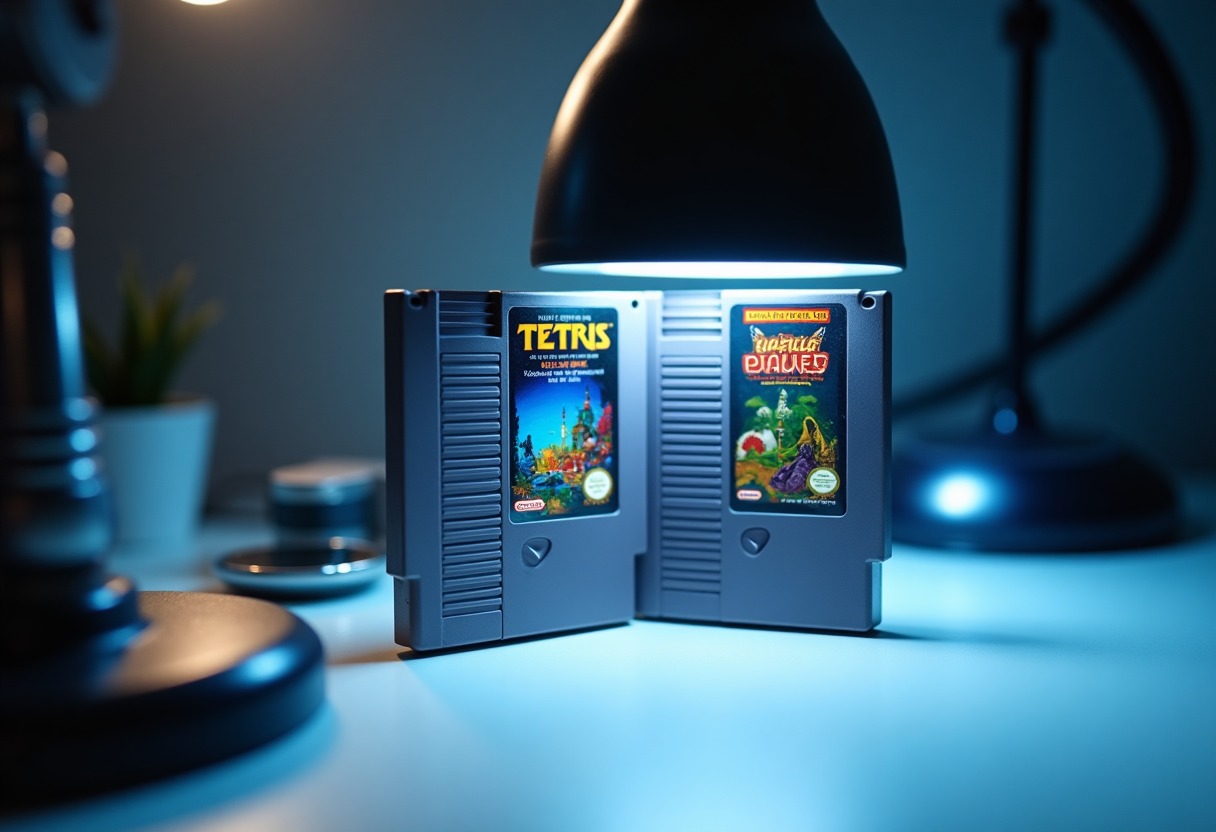
Counterfeit Game Boy cartridges have flooded the market, with reproductions accounting for nearly 40% of high-value titles sold online. One misidentified reproduction can cost collectors hundreds or even thousands of dollars, making authentication skills essential for protecting your investment.
Why Game Boy Cartridge Authentication Matters More Than Ever
The surge in retro gaming popularity has created a perfect storm for counterfeiters. Original Game Boy titles, especially rare releases and Pokemon games, command premium prices that make reproduction profitable. Nintendo's Game Boy system sold over 118 million units worldwide, creating massive demand for original cartridges that reproduction manufacturers exploit.
Professional grading services like VGA and WATA have legitimized cartridge collecting as an investment category, driving prices for mint condition originals into four-figure territory. This price inflation makes authentication critical — a fake Pokemon Red that looks convincing can fool casual collectors but loses all value once identified as reproduction.
Understanding authentication also protects sellers from liability. Unknowingly selling reproductions as authentic can result in chargebacks, negative feedback, and legal issues. Authentication knowledge ensures you're buying and selling with confidence.
Visual Authentication: Reading the Label Like a Pro
Game Boy cartridge labels contain multiple authentication markers that reproductions consistently fail to replicate accurately. Start with the Nintendo Seal of Quality — authentic versions have precise positioning, consistent font weight, and proper trademark symbols. Reproductions often feature blurry seals, incorrect fonts, or misplaced positioning.
The ESRB rating presents another critical checkpoint. Game Boy games released after 1994 should display proper ESRB ratings with correct fonts and positioning. Earlier releases may lack ESRB ratings entirely — a common reproduction mistake is adding modern ESRB ratings to pre-1994 titles.
Color saturation and print quality reveal reproduction techniques immediately. Original labels use specific Pantone colors and professional printing processes that create consistent color gradients and sharp text edges. Reproductions typically show oversaturated colors, pixelated graphics, or color bleeding that indicates digital printing rather than original offset printing methods.
Label texture provides tactile authentication. Original Game Boy labels have a specific vinyl texture and thickness that reproductions rarely match. Authentic labels feel substantial and have consistent texture patterns, while reproductions often feel thinner or have different surface textures.
Physical Cartridge Authentication Techniques
Beyond labels, the plastic cartridge shell itself contains numerous authentication markers. Nintendo used specific plastic formulations that create distinctive colors and textures. Original Game Boy cartridges have a particular gray tone with subtle color variations that reproductions struggle to match exactly.
The cartridge weight offers another authentication method. Original cartridges have specific weights due to authentic PCB materials and components. → Shop jeweler's loupe magnification on Amazon helps examine fine details, while digital scales can verify weight specifications.
Screw types and positioning matter significantly. Nintendo used specific security screws (gamebit screws) with precise threading and head shapes. → Shop game bit screwdriver set on Amazon allows you to examine internal components. Reproduction cartridges often use standard Phillips screws or incorrect gamebit specifications.
The PCB (printed circuit board) inside authentic cartridges contains specific chip markings, manufacturing codes, and component layouts. Original PCBs have Nintendo copyright markings, specific chip manufacturers (typically Nintendo-branded mask ROMs), and consistent solder quality. Reproductions usually feature generic flash memory chips, different PCB colors, and amateur soldering work.
Authentication Comparison: Original vs Reproduction Markers
| Feature | Authentic Cartridge | Reproduction Cartridge | |---------|-------------------|----------------------| | Label Texture | Vinyl with consistent grain pattern | Often glossy paper or incorrect texture | | Nintendo Seal | Precise positioning, sharp edges | Blurry, misplaced, or incorrect font | | ESRB Rating | Correct for release date | Often wrong era or missing entirely | | Color Quality | Professional offset printing | Digital printing with color bleeding | | Cartridge Weight | Consistent with original specs | Usually lighter due to cheaper components | | Screw Type | Nintendo gamebit security screws | Often Phillips screws or wrong gamebit type | | PCB Markings | Nintendo copyright, specific chips | Generic chips, missing copyrights | | Price Point | Market-appropriate pricing | Suspiciously low for condition claimed |
Essential Authentication Tools and Equipment
Professional cartridge authentication requires specific tools that serious collectors should own. → Shop UV flashlight counterfeit detection on Amazon reveals differences in label materials and inks that aren't visible under normal lighting. Authentic labels often show different fluorescent properties than reproduction materials.
A precision digital scale weighing to 0.1-gram accuracy helps verify cartridge weights against known specifications. Each Game Boy title has specific weight ranges that reproductions rarely match exactly due to different PCB materials and cheaper components.
High-magnification tools reveal printing quality differences invisible to naked eyes. A 10x jeweler's loupe shows printing dots, color registration, and text quality that distinguish professional offset printing from desktop reproduction methods.
→ Shop cartridge cleaning supplies on Amazon help maintain authentic cartridges while revealing construction differences. Cleaning also removes dirt that might hide authentication markers or label defects.
Advanced Authentication: Internal Component Analysis
Opening cartridges reveals the most definitive authentication markers, though this requires careful technique to avoid damage. Authentic Game Boy cartridges contain specific component layouts and chip markings that reproductions cannot replicate exactly.
Mask ROM chips in authentic cartridges bear Nintendo copyright markings and specific manufacturer codes. These chips have unique markings patterns, date codes, and manufacturing identifiers that counterfeiters typically ignore or replicate incorrectly.
PCB construction quality differs dramatically between authentic and reproduction cartridges. Original Nintendo PCBs feature professional manufacturing with consistent trace width, proper solder masks, and quality component placement. Reproduction PCBs often show amateur construction, inconsistent traces, and poor solder quality.
Battery compartments in games requiring save memory (like Pokemon titles) show specific battery types, positioning, and soldering techniques. Many collectors focus on Best Game Boy Games To Collect 2026 without realizing that battery condition and type affect both authenticity and value.
Component dating provides chronological authentication. Authentic cartridges contain components dated appropriately for the game's release period. Reproduction cartridges often contain modern components with dates that postdate the original release by years or decades.
Professional Grading Considerations
Understanding how professional grading services evaluate cartridge authenticity helps collectors make informed decisions. Services like VGA examine multiple authentication factors including label condition, cartridge integrity, and component authenticity before assigning grades.
Label condition grading considers wear patterns, color fading, corner damage, and overall preservation. Authentic labels show specific aging patterns that differ from reproduction materials. Natural aging creates particular wear signatures that artificial aging techniques cannot replicate convincingly.
→ Shop game boy cartridge protectors on Amazon help preserve authentic cartridges after authentication, maintaining both condition and value over time.
Collectors building serious Game Boy collections should understand how authentication relates to overall collecting strategies. Many focus on specific series or complete sets, making authentication skills essential for avoiding costly mistakes. Understanding authentication also helps when exploring Best Retro Consoles 2026 and related collecting opportunities.
FAQ
How can I tell if a Game Boy Pokemon cartridge is authentic without opening it? Check the label's Nintendo Seal of Quality for sharp edges and correct positioning, examine the cartridge's weight (authentic Pokemon Red weighs approximately 7.5 grams), and verify the plastic color matches original specifications. Authentic Pokemon cartridges also have specific serial number formats and ESRB ratings appropriate for their release dates. Use UV light to check label materials — authentic labels typically don't fluoresce like reproduction paper labels.
What are the most commonly reproduced Game Boy games I should watch for? Pokemon Red, Blue, Yellow, Gold, Silver, and Crystal represent the most frequently counterfeited titles due to their high values and continued demand. Other commonly reproduced games include rare releases like Trip World, The Smurfs, and regional exclusives. Reproduction manufacturers target any title worth over $50-100 because the profit margins justify production costs.
Can reproduction cartridges damage my original Game Boy system? Most reproduction cartridges won't physically damage your Game Boy, but some use inferior components that could theoretically cause issues. Poor-quality PCBs might have incorrect voltage requirements, and cheap components could fail in ways that affect the console. The bigger risk is corrupted save data — reproduction flash memory often has reliability issues that can cause save game loss.
Why do some authentic Game Boy cartridges feel lighter than expected? Game Boy cartridges use different PCB designs and component densities depending on the game's memory requirements and release date. Later releases sometimes used more efficient chip designs that reduced weight while maintaining authenticity. However, dramatic weight differences (more than 1-2 grams from expected specifications) often indicate reproduction cartridges using cheaper, lighter components.
How much does professional Game Boy cartridge authentication cost, and is it worth it? Professional authentication through services like VGA costs $15-30 for basic authentication, plus shipping and handling fees. For cartridges worth over $200, professional authentication provides valuable documentation and peace of mind. However, learning authentication skills yourself costs less long-term and allows immediate evaluation when buying or selling cartridges.
Master these authentication techniques and you'll navigate the Game Boy collecting market with confidence, protecting both your investment and your reputation as a knowledgeable collector.
Some links on this page are affiliate links. We may earn a small commission if you purchase through them, at no extra cost to you.
As an Amazon Associate we earn from qualifying purchases. This article contains affiliate links; if you buy through them we may earn a small commission at no additional cost to you.